Yes, January is a good time to visit Morocco if you pack for cold nights. It is the coolest month of the year, but most days are sunny, with afternoons around 18–19 °C in Marrakech and the Sahara. Nights are cold everywhere, close to freezing in the desert and below it in the mountains. After the New Year rush, the medinas and the dunes are calm. Here is what to expect, region by region, from our team in Merzouga.
January weather in Morocco at a glance
| Place | Average high | Average low | Rainy days |
|---|---|---|---|
| Marrakech | 19 °C | 4 °C | 5 |
| Fes | 16 °C | 5 °C | 8 |
| Chefchaouen (Rif) | 14 °C | 6 °C | 10 |
| Ouarzazate (south of the Atlas) | 16 °C | 2 °C | 2 |
| Merzouga (Sahara) | 18 °C | 4 °C | 1 |
Averages of 20 years of daily weather data (2006–2025, Open-Meteo ERA5), rounded. Rainy days are days with at least 1 mm of rain. Individual years can be warmer, colder or wetter.
The weather in January, region by region
Marrakech
Expect sunny afternoons around 19 °C and cold nights around 4–5 °C, with rain on about five days in the month. The cold surprises many travellers: riads are built to stay cool in summer, so ask whether your room has heating, and bring a warm layer for dinner on a rooftop terrace.
Fes, Meknes and Chefchaouen
The north is cooler and wetter. Fes reaches about 16 °C in the afternoon and drops to about 5 °C at night, with rain on around eight days. Chefchaouen, in the Rif mountains, is the wettest stop on most itineraries, with rain on about one day in three. A light waterproof jacket and shoes with good grip on wet cobbles make a big difference.
The Atlas Mountains
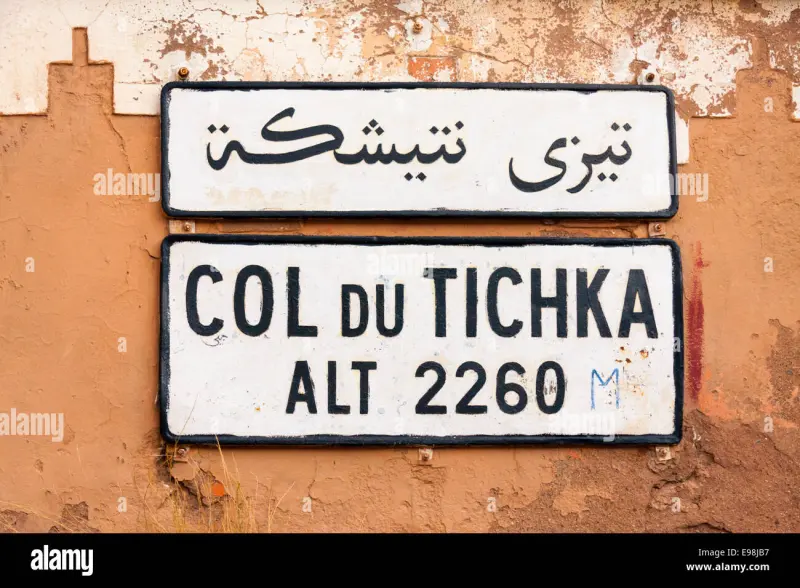
January is snow season in the High and Middle Atlas. The peaks look beautiful, and towns such as Ifrane and Azrou are often white. On the road from Marrakech to the desert, the Tizi n'Tichka pass (2,260 m) can close for short periods after heavy snow. Snow crews usually clear it quickly, but it is one reason we keep winter itineraries flexible.
Merzouga and the Sahara
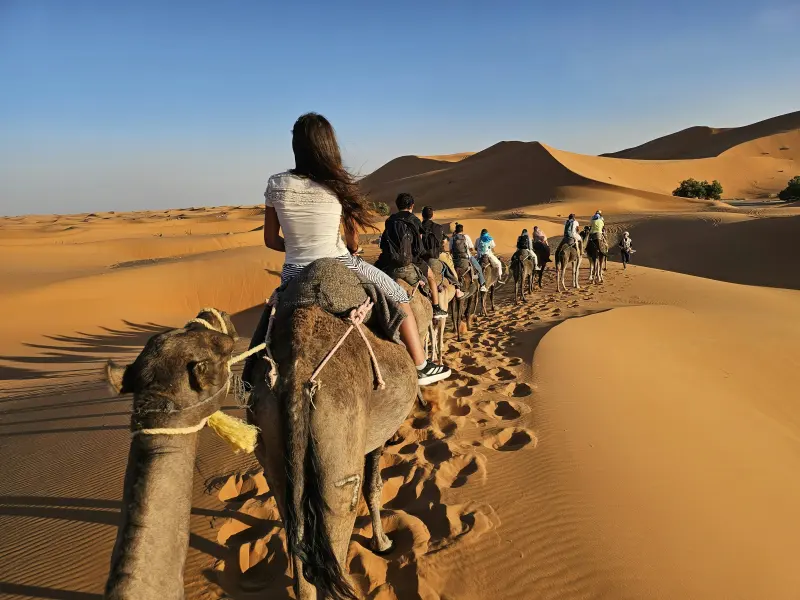
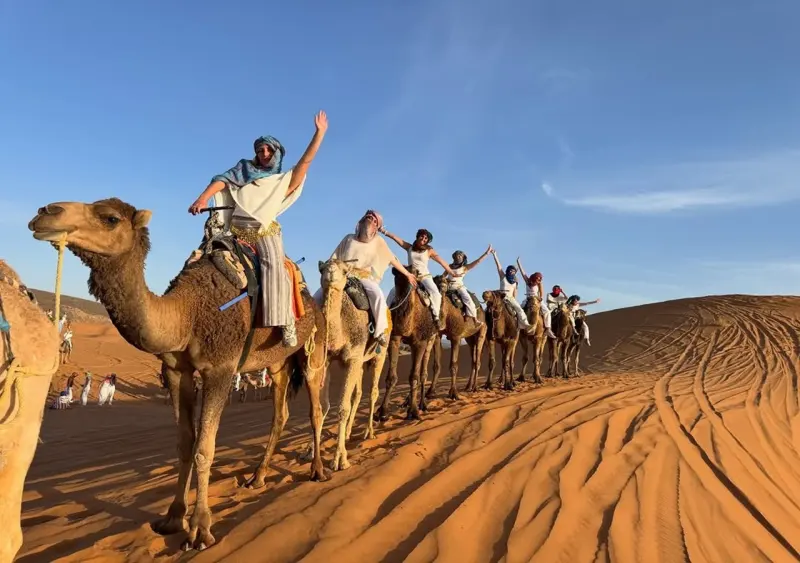
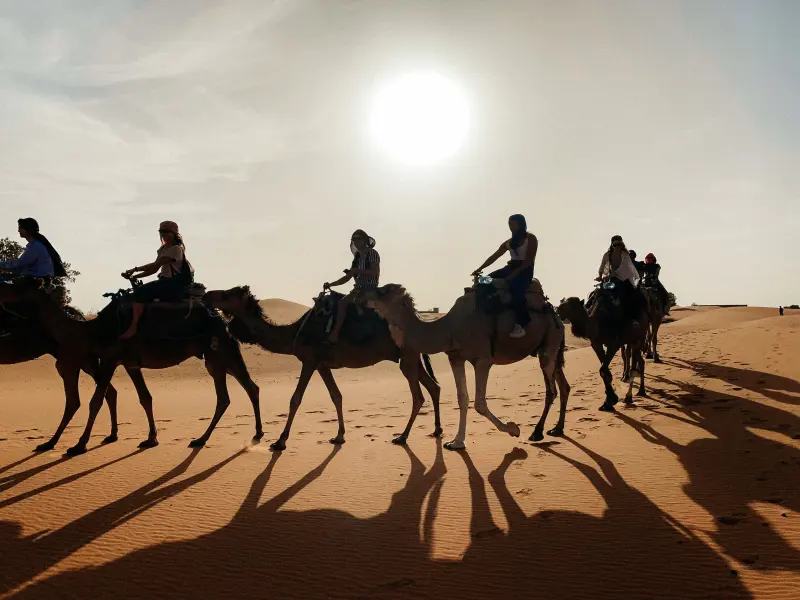
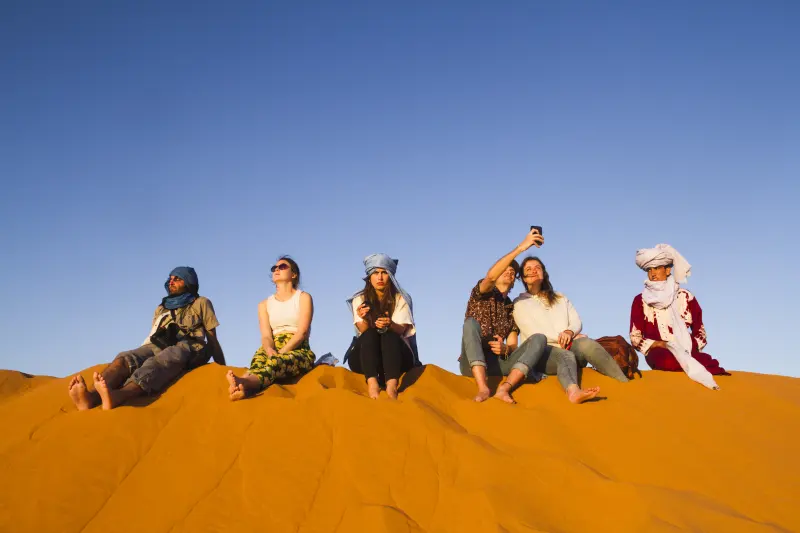
Desert days are sunny and mild, around 18 °C, which is perfect for a camel trek or a walk in the dunes. Rain is rare: about one day in the whole month. Nights are cold, with an average low of about 4 °C, and in a desert camp it can feel close to freezing by early morning. Camps provide thick blankets, but you will be much more comfortable with your own warm layers.
Days are short, with about ten hours of daylight. In Merzouga the sun sets at around 6:40 pm and rises at around 8:15 am, so sunset treks start early and sunrise is easy to catch.
What to pack for Morocco in January
- A warm jacket (down or fleece) for evenings and desert nights
- A hat, scarf and gloves for the camp and the mountain passes
- Thermal or warm sleepwear for the desert camp
- Layers you can add and remove: noon and evening can differ by 12–15 °C
- A light waterproof jacket for Fes and Chefchaouen
- Comfortable closed shoes and warm socks
- Sunglasses and sunscreen: the winter sun is still strong in the desert
- A scarf that covers your shoulders for religious sites
Our travel tips for January
- Book around the holidays. The days between Christmas and early January are busy and camps and riads charge peak prices. From the second week of January the country is much quieter.
- Allow a buffer day. If snow closes a mountain pass, a spare day keeps the rest of your trip on track. Your driver always checks road conditions before setting off.
- Choose a warm camp. Ask about well-insulated tents and extra blankets before you book your desert night. Compare our desert camp options.
- Plan your days around the sun. Start sightseeing mid-morning, when the air warms up, and be back by a fire or indoors after sunset.
- Enjoy winter food. January is the season for harira and bissara soups, slow-cooked tagines and hot mint tea. A hammam is the perfect way to warm up.
Holidays and events in January
Yennayer, the Amazigh New Year, is a national holiday on 14 January. In Amazigh regions, including the south-east around the desert, families mark it with special meals and celebrations. New Year's Day (1 January) is also a public holiday, and 11 January marks the Proclamation of Independence.
A suggested route for January
For a first winter trip, combine the sunshine of Marrakech with a night in the Sahara. Our 3-day Marrakech to Merzouga tour crosses the High Atlas, stops at Aït Ben Haddou and spends a night in a desert camp. If you prefer shorter driving days in winter, the 4-day version adds a night on the way back.
Morocco month by month
January · February · March · April · May · June · July · August · September · October · November · December
Planning your dates? Tell us when you are travelling and our team in Merzouga will suggest the best route for the season.